At Last A Fox Sparrow!

I had a conversation with my friend Hans about Adam Savage coming in town for W00tStock and if there would be any way to entice him to blow up a stump for us.  Hans said, "You know, I bet that since he blows up stuff for work all the time it isn't fun for him any more." I disagreed and said, "That's like me saying that birding isn't fun any more.  Some things you just love whether they are part of your job or not.

Non Birding Bill and I noticed that we both had four days in a row off over Easter and he insisted that I take a vacation--no blogging, no scheduling, no media, no nothing for four days.  Although, since I enjoy birding as much as I do, it was hard to avoid that altogether--especially with spring raging early and hard in our neck of the woods.

Yesterday along I found this obliging fox sparrow, heard ruffed grouse strumming incessantly and strong, found flocks of phoebes and noticed all sorts of mating shenanigans with wintering birds.

This morning, I came back to work by escorting Stephanie Hemphill from MPR to the North Mississippi Regional Park heron rookery.  The birds are still fairly easy to see and if the weather is good on Thursday, I'll probably roam out that way in a ranger capacity with my scope around 10 am (if anyone is playing hookie from work).

I have some fun duck photos coming, hope everyone had an enjoyable weekend.
Cat vs Fox While Eagle Watches

This is from the same YouTube Channel that I posted earlier of the eagle contemplating the tastiness of a cat: [youtube]http://www.youtube.com/watch?v=V63-jJknM9A[/youtube]

I think putting scraps on your deck to attract foxes and bald eagles and allowing that wildlife to mingle with your cat is a risky proposition. One day there will be a larger fox who will not be so started by that cat.  Or maybe the local food will not be enough and the usually satiated predators will try for the cat.

Bald Eagle Ponders Eating Cat

This is a young bald eagle working out whether this furry creature is potential food.  The cat is lucky.  Had this been a golden eagle...it would have been toast. [youtube]http://www.youtube.com/watch?v=X1baqLbmqaQ[/youtube]

Dealing With Grackles At The Feeder

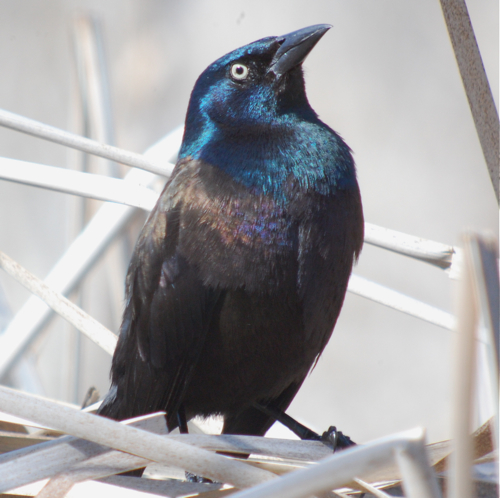
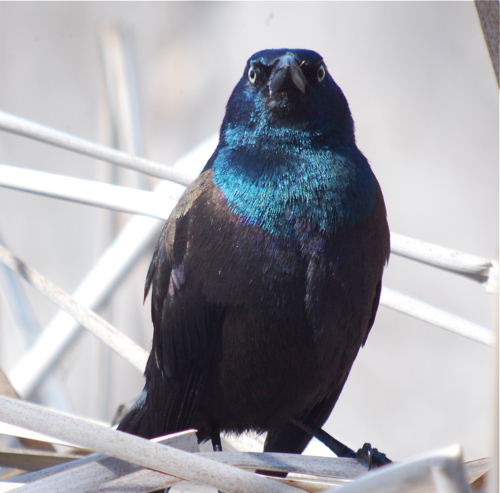
It's that special time of year when migration is in the early stages and any sign of spring is a welcome sign--even the first few small flocks of common grackles like the one above.  They really are a pretty bird in the right light.  But soon, grackles will be driving people who feed birds a little crazy.  They big dark birds fly in with their ravenous appetites and large flock numbers during migration and need the extra fuel to make it to their breeding grounds.  Those who have enjoyed chickadees, cardinals and titmice all winter will find the feeders crowded with these aggressive blackbirds.  Once insects are out in full force, grackles will go for those, but in the meantime they can be a bit irritating as they crowd out some of the smaller birds.  When I worked at the bird feed store, grackles were welcome because that always meant a bump in seed sales because the grackles eat so much.
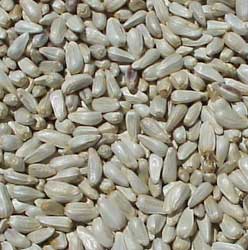
You do have some options in dealing with grackles.  One is to feed safflower.  There's a method to feeding safflower.  I've said it before and I'll end up saying it a thousand times but you usually have to introduce your feeder birds to safflower.  Sometimes when you have been feeding black oilers all winter and then make the sudden switch to safflower, the usual feeder crowd quits coming.  It's like going to your favorite burger joint only to discover that has turned to a Mexican restaurant.  It's not that you do not like Mexican food, but when you arrived there, you were expecting to get a hamburger, not a bean burrito.  Birds are the same way.  They flew in expecting black oil sunflower and find something else.  Switching cold turkey could take a few weeks to get regular bird activity back to "normal."

It works best if you can gradually increase the safflower in your mix so that the birds get used to the change.  If you start this after you already have grackles coming to the feeders, they will kick out safflower in favor of the seed they prefer.

You can also have one feeder that is all safflower.  The grackles may go after the other feeders, but the cardinals, rose-breasted grosbeaks, chickadees, nuthatches, titmice, house finches and mourning doves have a place to go.  I usually offer safflower in a tray feeder since cardinals tend to feed more readily in that.  There are some good tray feeders in my OpenSky shop (if you purchase from there, 20% of the profits to go kid programming at the American Birding Association).

You can also try weight sensitive feeders with grackles--at least weight sensitive that have a way to adjust the setting.  I've use the Squirrel Buster II with fairly good results at keeping bigger birds out--it especially works well if you are having problems with rock pigeons.

Red-tailed Hawk Live Cam

There's a very cool red-tailed hawk live cam at the Franklin Institute (as in Ben Franklin) in Philadelphia.  Kind of a fun change of pace from the owl owl cams and falcon cams.

Also, here's an interesting news story about bald eagles taking heron chicks from a rookery in western Washington state.  The article brings up an interesting conflict: those who love powerful eagles vs those who love elegant herons.  There are those who want to help the rookery and those who think that the eagles and herons need to work it out for themselves.

Heron chicks are certainly something bald eagles would eat and speaking as someone who has visited several rookeries--it's amazing that any heron chick ever survives a rookery.  Herons are not the most attentive parents.  For example, if a blue jay chick, great horned owl chick or crow chick falls out of the nest and begs, the parents will make a reasonable effort to continue to attend to the chick and feed it.  Herons?  If the chick falls out of the nest, it's toast.  It will not be fed and it will either starve or be preyed upon by any enterprising predator.

It will be interesting to see if this rookery ultimately fails, the herons start a new one elsewhere or if the eagles will find more tasty prey.

Endangered Species Condoms

Yes, you read that subject line correctly: Endangered Species Condoms.

And no, they are not for the endangered species themselves, they're for one of the most over-populated species out there. Susan Gets Native posted a link on Facebook about the Center for Biological Diversity is "distributing 100,000 free Endangered Species Condoms in all 50 states to highlight how unsustainable human population growth is driving species extinct at a cataclysmic rate."

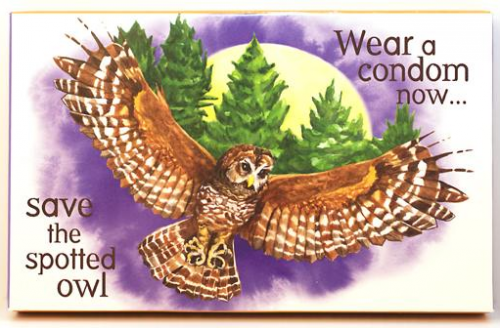
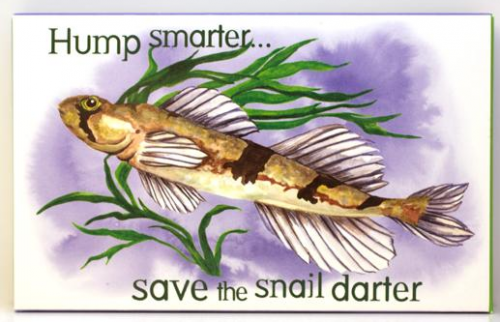
According to the press release, "the goal is to help people understand the impact of overpopulation on other species, and to give them a chance to take action in their own lives, the Center is distributing free packets of Endangered Species Condoms depicting six separate species: the polar bear, snail darter, spotted owl, American burying beetle, jaguar, and coquí guajón rock frog."

So, it's a creative project that hopes to engage the general masses in real conversation on over opulation not about coming up with a wacky idea to get bloggers like me to talk the Center for Biological Diversity to you.

Oh, and if you are looking for something to do, you can sign up to be an Endangered Species Condom Distributor--which would look so awesome on a resume!  I wonder if any wild bird retail stores will take advantage of this for free promotion in their stores?  Buy 20 pounds of Finch Feast and get a free condom!

Also, I would think there could have been some better slogans than what they came up with.  Say:

If you love her, cover your piping plover.

Before they howl, hood the spotted owl.

Can't wait to see what spam comes into the comments filter with this post.

Random Tree Sparrow

This is a random photo I got an American Tree Sparrow on Friday.

I wonder how much longer I will see these guys and how soon they will be replace by incoming field sparrows?

Red-wings

Ah, Spring, you did just what I thought you would do.  You pushed it all the way to the edge with your warmth, even giving me 60 degree days. Yesterday, I biked to a meeting and got a slight tan for my folly of a lack of sunscreen.  Each day on the bike trail gave a new migrant.  Monday it was just juncos practicing their territory song.  Tuesday a few groggy red-winged blackbirds showed up (like the bird above), Wednesday you gave me bluebirds around my beehives--all so wonderful.  And today, you give us back the cold.  Even the red-winged blackbirds seemed to be singing, "I came back for this?!?"

I was out today with my buddy who runs Avian Images and after the warm temperatures of earlier this week, we were hoping for a warm day at Wood Lake Nature Center.  We didn't get it. But it was still nice to see red-winged blackbirds here, a sure sign of spring--much better than the confusing robins that we see all winter.

Black Penguins, White Puffin & Hybrids

Last week, the interwebs were stoked over the photos of the "Shaft of King Penguins." This week a mostly white puffin has been photographed.  I know many of the headlines read that the black penguin was a one in a zillion color morph but they seemed to ignore a smaller black Adelie penguin that Noah Stryker took and posted in his blog in 2008. Meanwhile, Minnesota Bird Nerd has some interesting posts up about a possible chickadee/titmouse hybrid (not unlike the hybrid someone guest blogged here last year).  He also has another post up about a possible junco/white-throated sparrow hybrid as well.  And if you enjoy MN Bird Nerd's blog and banding, be sure to head out to Lowry Nature Center this Saturday.  He and Mark will be publicly banding birds--should be pretty good bird wise with the temperatures changing and warmer weather.  Maybe we'll get a fox sparrow?  I have to give a program at the St Paul Library on Saturday afternoon, but plan on being at Lowry in the morning for some good birding times.